This article delves into B2B cross-border payments, examining their pivotal role in global commerce. With businesses expanding internationally, efficient and secure payment systems become essential. B2B cross-border payments involve transactions between businesses across different nations, requiring careful navigation through various financial institutions, currencies, and regulations to facilitate seamless and successful exchanges.
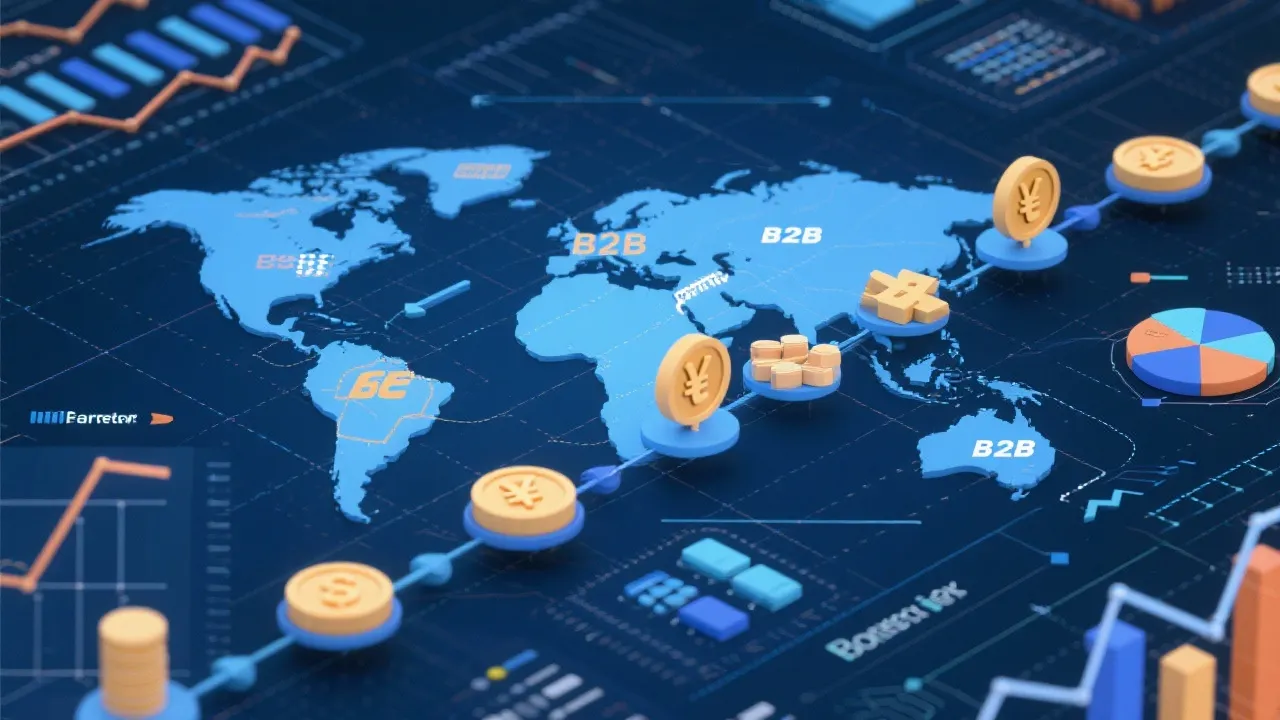
In the modern business landscape, the expansion of transactions beyond domestic boundaries has become a commonplace necessity for growing enterprises. B2B cross-border payments, the financial transactions involving firms located in different countries, serve as a critical mechanism fuelling international trade and economic integration. As global markets become more intertwined, the importance of understanding and optimizing cross-border payment solutions cannot be overstated. This growing trend not only facilitates the sourcing of goods and services on an international scale but also supports the integration of diverse economic systems.
With companies increasingly sourcing materials and selling products internationally, understanding and navigating B2B cross-border payments is essential. Businesses must manage various currencies, comply with distinct regulatory requirements, and ensure the security and speed of their financial transactions. The efficiency of cross-border payment systems directly impacts a company’s cash flow and operational effectiveness. As businesses pursue growth in foreign markets, the ability to conduct seamless payment transactions encourages international relationships and can ultimately affect competitiveness in the global landscape. Furthermore, successful cross-border payment processes can enhance customer satisfaction by facilitating timely supplier payments and ensuring smooth fulfillment of international orders.
Typically, B2B cross-border payments are conducted through banks and financial service providers who facilitate the conversion and transmission of various currencies. This process might involve several intermediaries, such as correspondent banks, each adding layers of complexity and cost. Financial institutions play a crucial role in maintaining the flow of international trade by ensuring funds are transferred securely and efficiently. Different payment networks and systems are utilized to enhance the efficiency of transactions. For example, SWIFT (Society for Worldwide Interbank Financial Telecommunication) is one of the most common network systems used for international money transfers, enabling banks to communicate payment instructions. Additionally, emerging technologies, such as blockchain, have started revolutionizing traditional methods by minimizing intermediaries and enhancing transaction speed and visibility.
Despite technological advancements, several challenges persist in B2B cross-border payments. These challenges include high transaction fees, which can significantly cut into profit margins, especially for small and medium-sized enterprises (SMEs) that operate on thin margins. Slow processing times can hinder companies' flexibility in responding to market demands and disrupt cash flows, complicating financial planning. Furthermore, fluctuating exchange rates can create unpredictability in financial outcomes, necessitating robust risk management strategies. Regulatory compliance also poses a challenge, as businesses must ensure adherence to different regulatory frameworks, including taxation and anti-fraud measures, which typically vary by nation. Companies must often navigate these obstacles to maintain cash flow and competitiveness in the global market, requiring them to continually adapt and refine their payment strategies.
Recent technological advancements have significantly impacted the landscape of B2B cross-border payments. Innovations such as blockchain technology, digital currencies, and fintech solutions are streamlining processes, reducing costs, and enhancing transparency. For instance, blockchain permits peer-to-peer transactions to occur without intermediaries, significantly cutting down on time and costs associated with traditional banking systems. Digital currencies, including rising cryptocurrencies like Bitcoin and Ethereum, are being adopted more frequently as viable alternatives for international trade payments; these currencies can reduce the complexities associated with currency conversion and exchange rate volatility. Fintech companies are also emerging as disruptive innovators within the landscape, often providing agile payment solutions tailored to the specific needs of businesses, unlike traditional banks. By leveraging these new technologies, companies can expect to experience greater efficiency in transacting across borders, fostering more robust operational frameworks and supporting sustained growth.
The ecosystem of B2B cross-border payments involves various key players, including banks, financial technology companies, and payment service providers. Each stakeholder plays a distinct role in facilitating and securing these transactions, offering various tools and solutions to address the specific needs of businesses. Traditional banks remain critical players, as they provide the necessary infrastructure and country-specific knowledge required for compliance and risk management. However, fintech companies have also carved out their presence by offering innovative payment solutions that can operate more flexibly and affordably compared to traditional banking methods. Payment service providers, such as PayPal and TransferWise (now Wise), enable quicker and less expensive international payments, supporting the global trade environment.
Selecting the appropriate payment method is vital for companies engaged in international trade. Factors to consider include the nature of the business, transaction size, currency requirements, and regional regulations. Popular payment methods include wire transfers, international checks, credit cards, and modern digital solutions such as e-wallets and mobile payment systems. Each method offers its unique advantages and drawbacks. For example, wire transfers are typically seen as more secure and widespread for larger transactions but often involve high fees and slower processing times. Conversely, digital wallets and mobile payment systems can facilitate faster transactions with lower fees, but they may encounter regulatory challenges in certain regions and may not be widely accepted. Companies must carefully assess their transaction patterns and select payment methods that align with their operational needs and strategic goals, while also considering their customers' preferences.
| Payment Method | Benefits | Challenges |
|---|---|---|
| Wire Transfers | Widely accepted, secure, and reliable. | High fees and slow processing times. |
| Digital Wallets | Fast and convenient with lower fees. | Regulatory challenges and limited acceptance in some regions. |
| Blockchain Payments | Highly secure with reduced costs and transparency. | Lack of widespread adoption and regulatory uncertainty. |
| International Checks | Traditional method, recognized worldwide. | Long processing times, potential for loss, and high fees. |
| Credit Cards | Convenient, fast and often comes with buyer protection. | High processing fees and potential chargebacks. |
Compliance and security are paramount in B2B cross-border payments. Businesses must adhere to international regulations such as anti-money laundering (AML) and know your customer (KYC) requirements to avoid penalties and safeguard transactions. Non-compliance not only exposes firms to hefty fines but could also damage their reputation and endanger future business operations. Additionally, fortifying cybersecurity measures is crucial to protecting sensitive financial data from potential threats. The rise in cybercrimes targeting the financial sector stresses the need for strong security protocols and frequent audits of payment processing systems. Businesses are encouraged to adopt encryption technologies, two-factor authentication, and high-grade firewall systems to strengthen their defenses against data breaches and fraud attempts.
The future of B2B cross-border payments holds significant potential, driven by evolving technologies and changing business landscapes. As global commerce continues to expand, robust and innovative payment solutions will be critical in supporting businesses at the international level, fostering growth and enhancing capability. Trends such as increased personalization of payment experiences, greater reliance on artificial intelligence for fraud detection, and the potential for central bank digital currencies (CBDCs) to redefine legal tender will likely shape the future landscape. Businesses that proactively adapt to these changes and embrace emerging technologies will position themselves for success in increasingly competitive global markets. Furthermore, as companies continue to emphasize transparency and sustainability in their operations, payment providers will have to align their offerings to support an eco-conscious approach to cross-border commerce.
To optimize B2B cross-border payments, businesses should adhere to several best practices. Firstly, conducting thorough research on the payment solutions available in different regions is essential, enabling firms to choose the most cost-effective and efficient options. Establishing strong relationships with payment providers can facilitate smoother transactions and enhance support in compliance matters. Additionally, businesses should consider employing the services of a foreign exchange risk management expert to mitigate potential losses due to currency fluctuations. Regularly reviewing and updating payment processes, including compliance protocols and security measures, will keep businesses ahead of potential risks.
In addition to the technicalities of payments, cultural factors can also significantly influence B2B cross-border transactions. Understanding cultural nuances, local business practices, and negotiation styles is critical for successful international dealings. For example, in some cultures, establishing a personal rapport prior to discussing business may be essential, while in others, a more direct approach may be preferred. Additionally, being aware of public holidays and local festivities can help businesses in planning transaction timings effectively. A cultural understanding can enhance communication and foster better relationships with partners and clients, enabling smoother transaction processes and collaboration.
Economic factors, such as shifts in trade policies, tariffs, and geopolitical tensions, play a vital role in influencing B2B cross-border payments. Companies engaged in international trade must remain vigilant about changes in economic conditions that could affect their operations. Tariffs can increase costs and impact pricing strategies, making it essential for businesses to adopt flexible and dynamic pricing models. Economic downturns in specific regions can also lead to increased default risks, which necessitates thorough due diligence before entering new markets. Furthermore, understanding global supply chain dynamics and adjusting payment strategies accordingly can help companies remain competitive and agile in fluctuating markets.
In conclusion, B2B cross-border payments have become an essential component of the global economy, enabling businesses to engage in international trade effectively. The significant challenges and complexities associated with these transactions necessitate a profound understanding of the processes involved, as well as a commitment to leveraging technology and maintaining compliance. As the landscape continues to evolve, staying informed about technological advancements and embracing innovative solutions will be key to enhancing efficiency and growth. Ultimately, companies that navigate the intricacies of cross-border payments will be best positioned to thrive in an interconnected world.
Explore the Tranquil Bliss of Idyllic Rural Retreats

Ultimate Countdown: The 20 Very Legendary Gaming Consoles Ever!

Understanding Halpin and its Influence

Affordable Full Mouth Dental Implants Near You

Discovering Springdale Estates

Illinois Dentatrust: Comprehensive Overview

Embark on Effortless Adventures: Unveiling the Top in Adventures Made Easy Outdoor Equipment

Unveiling Ossur Valves: Innovation in Prosthetics

Unlock the Full Potential of Your RAM 1500: Master the Art of Efficient Towing!


Understanding Fintech White Label Solutions
Fintech White Label solutions offer a customizable, ready-made platform for financial institutions to offer innovative services without developing technology from scratch. This approach enables businesses to save time and resources, focusing on reaching customers with enhanced financial products. Fintech, a blend of finance and technology, is revolutionizing traditional financial services.

Understanding Compliance and AML Strategies
This article delves into the intricate realm of Compliance and Anti-Money Laundering (AML) strategies, highlighting their significance in the corporate world. Compliance AML refers to the organizational adherence to legal standards and regulations to deter financial crimes, ensuring transparent and ethical financial practices. This comprehensive guide examines these strategies' complexities and their pivotal role in safeguarding economic integrity.

Mastering Employee Retention Strategies
Employee retention is a critical aspect of human resource management, focusing on maintaining a stable workforce. A strategic approach to retention can enhance organizational performance, reduce turnover costs, and improve employee morale. This article delves into effective retention strategies, emphasizing the importance of understanding employee needs and creating a supportive work environment.

Enhancing Employee Retention Strategies
This article explores the significance of an Employee Retention Questionnaire in maintaining a stable workforce. Employee retention is vital for businesses aiming to sustain productivity and reduce turnover costs. By understanding the factors influencing employee satisfaction and engagement, organizations can implement effective strategies to retain talent, ultimately boosting overall performance and morale.

Unveiling Whitewater Regenerative Blowers
Whitewater regenerative blowers are essential devices in various industries for efficient air movement and vacuum applications. These blowers, known for their durability and high performance, play a critical role in operations ranging from wastewater treatment to pneumatic conveying. This article explores their functionality, benefits, and industry applications, offering insights from an expert's perspective.

Understanding Stauff Filters and Their Applications
Stauff Filters are crucial components in hydraulic systems, ensuring the removal of contaminants and extending the life of machinery. These filters are integral to maintaining system efficiency and preventing damage in various industrial applications. With a range of options tailored for specific needs, they offer reliable solutions for fluid management challenges in sectors such as agriculture, construction, and manufacturing.