Wallbox Chargers are a forefront innovation in the electric vehicle (EV) industry, enhancing how drivers power their vehicles with efficiency and convenience. These compact and smart charging units integrate cutting-edge technology, supporting the global transition to sustainable energy solutions for transportation. By adapting to various consumer needs, Wallbox Chargers are set to revolutionize at-home and commercial EV charging.
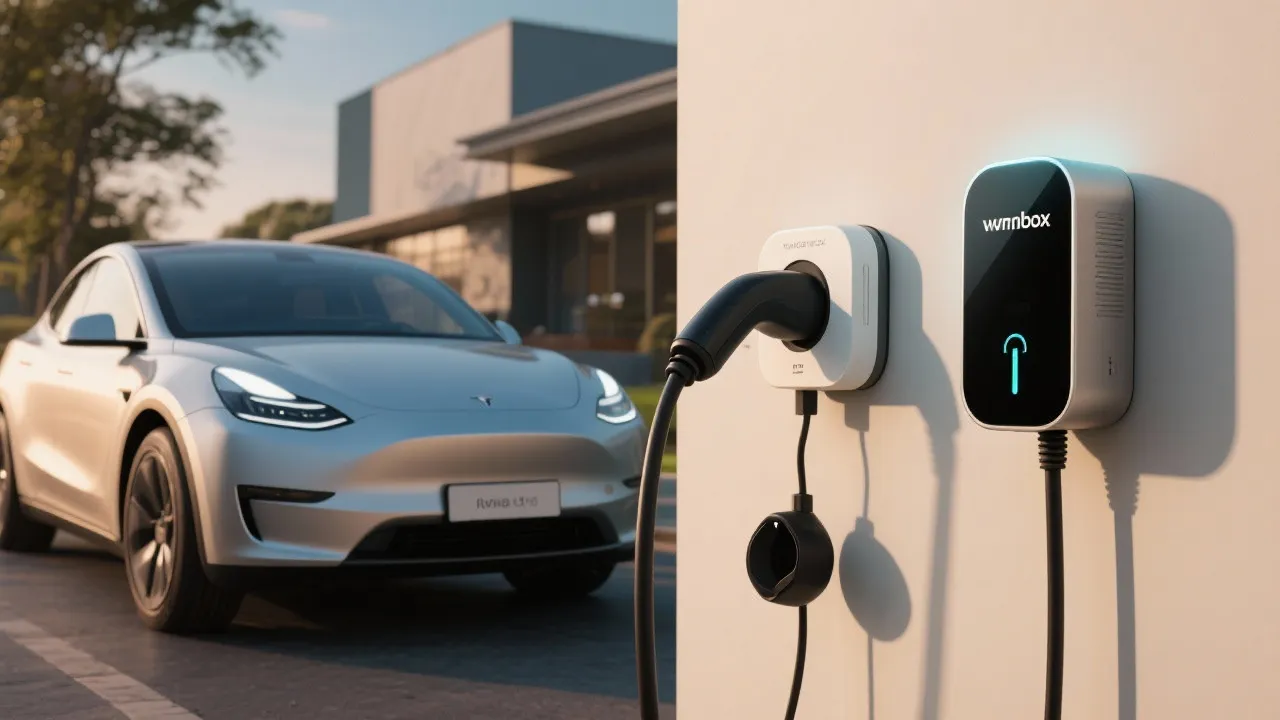
As the world gravitates towards sustainable energy solutions, Wallbox Chargers emerge as an essential component in the electric vehicle (EV) ecosystem. These advanced charging systems have become synonymous with efficient and intelligent EV charging, offering versatile options suited for both home and commercial use. Wallbox Chargers not only epitomize convenience but also align with global efforts to reduce carbon emissions, marking a significant step in the transition to eco-friendly transportation.
The technology driving Wallbox Chargers is both innovative and user-centric. These units are designed with smart connectivity in mind, allowing users to control charging sessions via mobile apps. This functionality supports features such as remote monitoring, scheduling charges during off-peak hours to save on energy costs, and real-time data tracking for energy usage optimization. The integration of artificial intelligence (AI) and the Internet of Things (IoT) with Wallbox technology ensures an enhanced user experience alongside practical energy conservation. Moreover, built-in safety features protect both users and the charging unit, reducing the risks associated with electrical malfunctions.
Before delving further into Wallbox Chargers, it's essential to understand the various levels of electric vehicle charging. Electric vehicle chargers are classified into three levels: Level 1, Level 2, and DC Fast Charging (Level 3). Level 1 chargers use a standard 120-volt outlet and are primarily suitable for home use, providing a slow charge that can take up to 24 hours for a full recharge. Level 2 chargers, on the other hand, operate at 240 volts and are widely used in both residential and commercial settings, offering faster charging times, generally between 4 to 8 hours for a complete charge. Lastly, DC Fast Chargers can replenish an EV's battery up to 80% in just 30 minutes, making them ideal for highway rest stops and quick charging stations. Wallbox Chargers primarily fall under Level 2, delivering a perfect balance between efficiency and practicality for everyday users.
One of the key barriers to electric vehicle adoption is the availability of efficient charging solutions. Wallbox Chargers address this challenge head-on by making EV charging more accessible and less time-consuming. Their compact design fits effortlessly into residential garages or commercial parking lots, providing a practical solution without requiring extensive infrastructure changes. Furthermore, by reducing charging times and costs, Wallbox Chargers significantly enhance the feasibility of owning an electric vehicle. Alongside this, Wallbox Chargers often feature advanced scheduling systems that allow users to charge their vehicles overnight, taking advantage of lower electricity rates, which is particularly beneficial for those looking to optimize their cost-per-mile.
Market analysis indicates a surge in demand for smart charging solutions like Wallbox Chargers. As more consumers transition to electric vehicles, they prioritize reliability, speed, and ease of use, all of which Wallbox meets with aplomb. Moreover, the customization options available—from unit capacity to the design aesthetic—allow consumers to select chargers that peak meet their specific needs. In addition to functionality, sustainability plays a crucial role in consumer decision-making. Many buyers are drawn to products like Wallbox Chargers that not only fulfill their charging requirements but also contribute to a greener planet by utilizing sustainable practices. Data suggests that ongoing technological advancements in Wallbox Chargers solidify their position as leaders in the EV charging market.
Installing Wallbox Chargers is a straightforward process, typically requiring a professional electrician to ensure compliance with local electrical codes. Depending on the existing electrical infrastructure, charging unit placement, and wiring requirements, the installation can be completed in a matter of hours. Routine maintenance is minimal, focusing on ensuring connections and systems operate efficiently. As Wallbox Chargers are designed for durability and high performance, they represent a sound investment for both individual vehicle owners and industrial fleet operators. It is worth noting that Wallbox units often come with software updates that improve functionality over time. Regularly checking for these updates ensures that users benefit from the latest features and performance enhancements.
Currently, Wallbox offers a variety of models tailored to different needs and preferences. Some notable models include:
| Feature | Wallbox Model | Benefits |
|---|---|---|
| Software Integration | Wallbox Pulsar Plus | Allows for seamless control via mobile apps. |
| Charging Speed | Wallbox Copper SB | Faster charging capabilities to reduce downtime. |
| Design Flexibility | Wallbox Quasar | Compact design with bidirectional charging. |
| Renewable Energy Integration | Wallbox Pulsar Plus | Possibility to connect with solar energy systems, enhancing sustainability. |
| Mobile App Features | All Models | Real-time monitoring, scheduling, and notifications for user convenience. |
Looking forward, Wallbox Chargers are expected to incorporate more renewable energy sources, integrating solar panels to make EV charging even more sustainable. This trend aligns with the increasing dialogue around climate change and the need for industries to transition towards greener alternatives. Furthermore, advancements in battery technology are anticipated to enhance charger efficiency further, making them indispensable to the burgeoning EV landscape. With the introduction of ultra-fast charging capabilities, users could recharge their vehicles in a matter of minutes, similar to conventional refueling. As more regions worldwide focus on green energy, Wallbox is poised to play a pivotal role in this transformation.
As electric vehicles gain popularity, the environmental benefits of charging infrastructure like Wallbox Chargers cannot be overstated. By supporting the shift away from fossil fuels, Wallbox Chargers contribute to reduced greenhouse gas emissions and promote cleaner air quality. Furthermore, by incorporating smart technology that allows for more efficient energy usage, Wallbox Chargers help mitigate the risk of draining the electrical grid, especially during peak demand times. Many models are also designed to optimize charging based on electricity prices, encouraging off-peak usage that further supports sustainable energy solutions.
The acceleration of EV infrastructure, bolstered by Wallbox Chargers, also holds significant social implications. Access to charging solutions can create economic opportunities in areas historically underserved by transportation networks. For instance, businesses that offer charging stations can attract EV owners, leading to increased foot traffic and boosting local economies. Additionally, as EV adoption becomes more prevalent, public perception around electric vehicles shifts positively. Education and familiarity with EV infrastructure can lead to wider acceptance and integration into daily life, shifting how communities operate and explore transportation options.
While Wallbox Chargers are leading in the market, it is essential to understand the broader landscape of EV charging solutions available today. Alternative charging options include public charging stations, wireless charging systems, and solar-powered chargers. Public charging stations, often found in shopping centers, parking lots, and along highways, provide critical support for long-distance travel. Wireless charging, though still an emerging technology, offers convenience by allowing vehicles to charge without being plugged in. Solar-powered charging stations, while not as widely adopted, represent a promising intersection of renewable energy and EV infrastructure, showing potential for off-grid solutions in the future.
The rise of electric vehicles is reshaping the transportation landscape, and Wallbox Chargers are at the forefront, facilitating this transition. With their innovative technology, focus on sustainability, and commitment to user convenience, Wallbox Chargers are not only enhancing the charging experience for EV users but also contributing positively to the global efforts of reducing carbon emissions. As we look to the future, the role of charging infrastructure such as Wallbox will only grow in importance, supporting the increasing number of electric vehicles on the road and ushering in a cleaner, greener world.
Explore the Tranquil Bliss of Idyllic Rural Retreats

Ultimate Countdown: The 20 Very Legendary Gaming Consoles Ever!

Understanding Halpin and its Influence

Affordable Full Mouth Dental Implants Near You

Discovering Springdale Estates

Illinois Dentatrust: Comprehensive Overview

Embark on Effortless Adventures: Unveiling the Top in Adventures Made Easy Outdoor Equipment

Unveiling Ossur Valves: Innovation in Prosthetics

Unlock the Full Potential of Your RAM 1500: Master the Art of Efficient Towing!


Ibhost: Exploring the Hosting Frontier
This article delves into Ibhost, an emerging name in the web hosting industry, known for its reliability, scalability, and comprehensive hosting solutions. By examining its service offerings, expert insights, and hosting solutions, we provide a detailed understanding of why Ibhost is becoming a go-to choice for businesses and individuals seeking robust web hosting services.

Understanding Rlock Advpl in Business
Rlock Advpl represents a pivotal advancement in business software solutions, offering enhanced security and efficiency for enterprise resource planning systems. This article delves into the intricacies of Rlock Advpl, its application in modern businesses, and the benefits it offers in streamlining operations and safeguarding data. As an expert tool, Rlock Advpl is essential for businesses looking to optimize their IT infrastructure.

Unveiling Atranet Innovation
Atranet represents a cutting-edge concept in networking technology. Harnessing its capabilities can transform digital communication by providing seamless connectivity. Designed to optimize data transfer, security, and efficiency, Atranet is shaping the future of how we connect and share information. This article delves into its structure, applications, and potential impacts on industry practices and consumer experiences.

Understanding Polysulfide Adhesive Applications
This comprehensive guide explores the applications and benefits of polysulfide adhesive, highlighting its unique properties and widespread use in construction, aerospace, and automotive industries. Known for its flexibility and resistance to various environmental factors, polysulfide adhesive is a key component in sealing and bonding applications, providing durability and reliability in demanding conditions.

Unlock Hyundai's Latest Models
Hyundai has been making waves in the automotive industry, continually delivering vehicles that merge style, performance, and technology. As the demand for innovative automobiles grows, Hyundai responds with a refreshed lineup showcasing cutting-edge designs, advanced engineering, and eco-friendly options. In this article, we will explore Hyundai's latest models and highlight what makes them stand out in today's competitive market.

Understanding Jrc Pabx Systems
JRC PABX systems revolutionize communication within organizations by integrating advanced telephony exchanges with modern digital technology. Highly utilized in corporate environments, these systems enable efficient communication solutions that support scalability, security, and versatile network integration. This article explores their features, benefits, and industry applications.