IHM SCADA (Supervisory Control and Data Acquisition) systems are critical in modern industries for real-time monitoring and control of processes. With applications ranging from manufacturing to utilities management, these systems enable efficient and automated operation across a variety of sectors. This guide explores the intricacies of IHM SCADA systems, offering an expert analysis of their components, functionalities, and future potential.
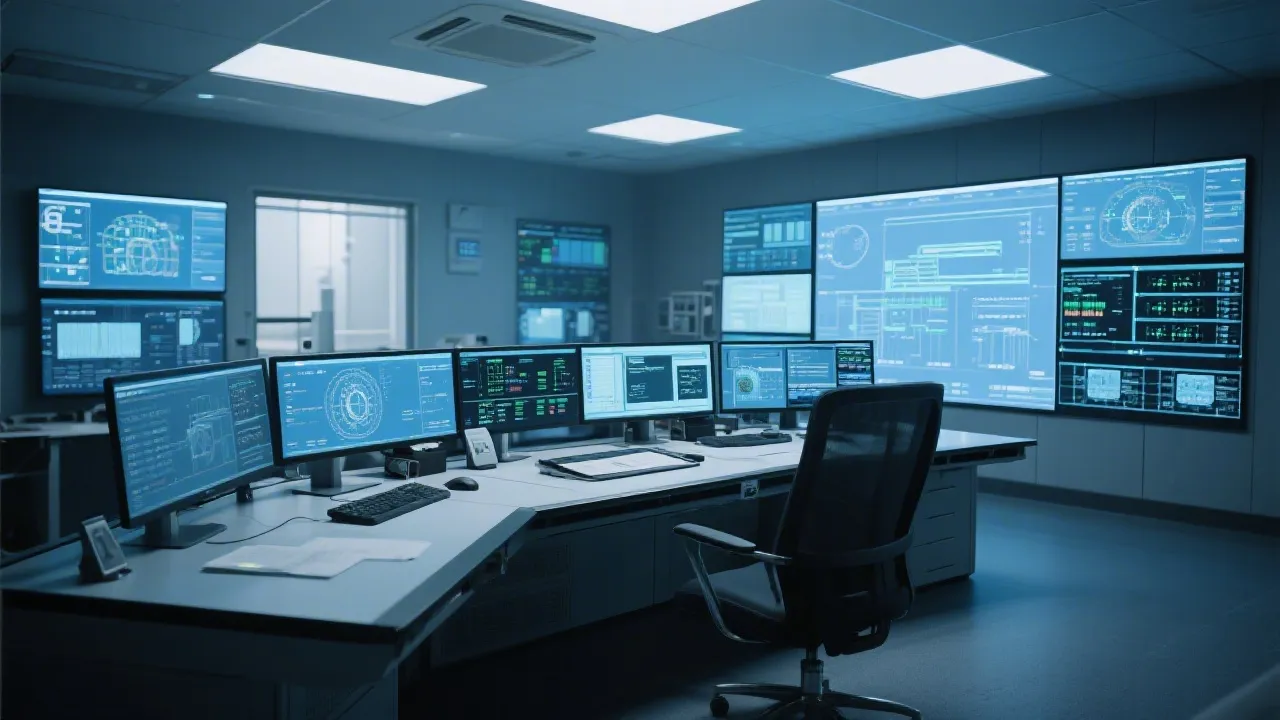
The integration of technology in industrial operations has become a cornerstone of efficiency and reliability. One critical component of this technological evolution is the IHM SCADA system. Supervisory Control and Data Acquisition (SCADA) is an essential framework used in industries to control and monitor real-time processes. IHM, or Interface Homme-Machine, is a French term for Human-Machine Interface, which describes the component that allows human operators to interact with the SCADA system.
In today’s fast-paced industrial environments, the demands on systems to be efficient, reliable, and scalable are greater than ever. SCADA systems are central to meeting these demands, facilitating operations from water treatment facilities to oil rigs and manufacturing plants. The efficiency with which these systems operate is largely due to their key components working in harmony. The human-machine interface plays a pivotal role in ensuring that operators can easily understand, control, and respond to the automated processes in real-time.
This article delves deep into the architecture, functionality, applications, and future prospects of IHM SCADA systems, providing a comprehensive overview suitable for industry professionals, enthusiasts, and learners alike.
IHM SCADA systems have several key components that work in tandem to ensure seamless operations. These elements not only support the functioning of the system but also add layers of depth to its monitoring capabilities:
The Human-Machine Interface marks the point where humans interact with the SCADA system. It consists of graphical displays, alarms, and control panels that allow operators to monitor and manage industrial processes easily. This interface is crucial for maintaining system operations, diagnosing issues, and implementing solutions quickly.
HMIs are not merely passive displays; they are active control points that allow operators to manipulate machine function through intuitive actions such as clicking buttons, setting parameters, and overriding automated commands. A well-designed HMI can display complex process information in a simplified and interpretable format, reducing the cognitive load on operators and enhancing situational awareness. The role of IHM extends beyond mere monitoring and control; it also acts as a crucial aspect of operator training, where simulation environments can be developed based on real-world SCADA configurations to help new users familiarize themselves with the systems.
In addition to supporting operational tasks, modern HMIs are increasingly integrated with data analytics tools, allowing operators to see not only real-time data but also historical trends and predictive indicators that can inform better decision-making. This integration supports the ongoing trend towards data-driven operations in the industrial sector.
IHM SCADA systems are versatile and find applications across various industries. Key areas include:
The flexibility of SCADA systems means that they can be tailored to meet specific challenges and requirements across these diverse industries. Industry-specific customization is critical, as it allows organizations to take full advantage of the capabilities offered by IHM SCADA systems.
The future of IHM SCADA systems lies in increased automation, enhanced data analytics, and integration with IoT (Internet of Things) technologies. As industries continue to digitalize, SCADA systems are expected to become more intelligent, capable of predictive maintenance, and offer advanced operational insights, thereby reducing downtime and improving efficiency. Through advancements in artificial intelligence (AI) and machine learning (ML), SCADA systems can perform complex analytics and identify patterns that humans may overlook.
Future developments also suggest a movement toward decentralized control systems. This architectural shift would involve local intelligence in remote devices, allowing them to process data and execute some control actions independently while communicating with the centralized SCADA system. Such developments could greatly enhance system resilience, particularly in cases of network instability.
IoT integration represents one of the most promising areas for SCADA systems. As more equipment and devices become smart and interconnected, SCADA systems can benefit from a wealth of data derived from a multitude of sources, enhancing their predictive capabilities and operational efficiency. Furthermore, the incorporation of blockchain technology for data integrity and security stands to create greater trust in the data being processed, leading to improved compliance and audit trails.
Furthermore, as industries navigate environmental regulations and strive for sustainability, SCADA systems are set to play a pivotal role in energy management and waste reduction. With increased pressure on operational efficiency and energy conservation, SCADA will evolve to support these initiatives, incorporating sophisticated reporting features to monitor energy consumption on a granular level and proposing strategies for optimization.
What advantages do IHM SCADA systems offer?
IHM SCADA systems enhance operational efficiency, improve safety and reliability, offer real-time monitoring and control, and reduce human error in industrial processes. By enabling data-driven decision-making and facilitating rapid responses to unusual situations, organizations can enhance productivity and maintain competitive advantages.
How do SCADA systems differ from traditional control systems?
Unlike traditional control systems that are locally confined, SCADA systems are networked and allow for control and monitoring from centralized remote locations. This feature is crucial for managing large-scale operations that span wide geographical areas, like electrical grids or water supply networks. Moreover, SCADA systems utilize sophisticated data management and analytical capabilities, enabling deeper insights into operational trends.
Can SCADA systems integrate with other enterprise systems?
Yes, SCADA systems can integrate seamlessly with other enterprise-level solutions such as ERP (Enterprise Resource Planning) and MES (Manufacturing Execution Systems) for comprehensive operational management and analysis. The interconnectivity allows organizations to leverage data across platforms, improving overall decision-making processes and enhancing efficiency.
What measures ensure data security in SCADA systems?
Data security in SCADA systems can be ensured through robust network security protocols, encryption, regular security audits, and the implementation of top practices for access control. Additionally, incorporating cybersecurity awareness training for operators and engineers is essential as human error often remains a weak point in security protocols. With rising cyber threats and potential attacks on infrastructure, a proactive approach to security is crucial to safeguarding these systems.
IHM SCADA systems are integral to the modern industrial landscape, providing automation, efficiency, and comprehensive monitoring and control capabilities. As technology advances, these systems will continue to evolve, offering even greater potential for innovation and growth in industrial sectors worldwide. The ongoing developments in AI, IoT, and data analytics will ensure that SCADA remains at the forefront of industrial efficiency and effectiveness. Organizations that invest in advancing their SCADA infrastructure will retain competitive advantages while also contributing to improved safety, sustainability, and overall operational excellence.
Furthermore, as industries consider the implications of emerging technologies on SCADA, it will be crucial for stakeholders, including operators, engineers, and managers, to engage in continual education and adaptation. Understanding the intricacies of both current systems and future technologies will empower industries to adapt and thrive within an ever-evolving technological landscape.
In summary, as a vital player in the digital transformation of industries, IHM SCADA systems will shape how organizations operate in profound ways—from enhancing standard operating procedures to redefining operational strategies in an increasingly interconnected world.
Explore the Tranquil Bliss of Idyllic Rural Retreats

Ultimate Countdown: The 20 Very Legendary Gaming Consoles Ever!

Understanding Halpin and its Influence

Affordable Full Mouth Dental Implants Near You

Discovering Springdale Estates

Illinois Dentatrust: Comprehensive Overview

Embark on Effortless Adventures: Unveiling the Top in Adventures Made Easy Outdoor Equipment

Unveiling Ossur Valves: Innovation in Prosthetics

Unlock the Full Potential of Your RAM 1500: Master the Art of Efficient Towing!


Ibhost: Exploring the Hosting Frontier
This article delves into Ibhost, an emerging name in the web hosting industry, known for its reliability, scalability, and comprehensive hosting solutions. By examining its service offerings, expert insights, and hosting solutions, we provide a detailed understanding of why Ibhost is becoming a go-to choice for businesses and individuals seeking robust web hosting services.

Understanding Rlock Advpl in Business
Rlock Advpl represents a pivotal advancement in business software solutions, offering enhanced security and efficiency for enterprise resource planning systems. This article delves into the intricacies of Rlock Advpl, its application in modern businesses, and the benefits it offers in streamlining operations and safeguarding data. As an expert tool, Rlock Advpl is essential for businesses looking to optimize their IT infrastructure.

Unveiling Atranet Innovation
Atranet represents a cutting-edge concept in networking technology. Harnessing its capabilities can transform digital communication by providing seamless connectivity. Designed to optimize data transfer, security, and efficiency, Atranet is shaping the future of how we connect and share information. This article delves into its structure, applications, and potential impacts on industry practices and consumer experiences.

Understanding Polysulfide Adhesive Applications
This comprehensive guide explores the applications and benefits of polysulfide adhesive, highlighting its unique properties and widespread use in construction, aerospace, and automotive industries. Known for its flexibility and resistance to various environmental factors, polysulfide adhesive is a key component in sealing and bonding applications, providing durability and reliability in demanding conditions.

Unlock Hyundai's Latest Models
Hyundai has been making waves in the automotive industry, continually delivering vehicles that merge style, performance, and technology. As the demand for innovative automobiles grows, Hyundai responds with a refreshed lineup showcasing cutting-edge designs, advanced engineering, and eco-friendly options. In this article, we will explore Hyundai's latest models and highlight what makes them stand out in today's competitive market.

Understanding Jrc Pabx Systems
JRC PABX systems revolutionize communication within organizations by integrating advanced telephony exchanges with modern digital technology. Highly utilized in corporate environments, these systems enable efficient communication solutions that support scalability, security, and versatile network integration. This article explores their features, benefits, and industry applications.