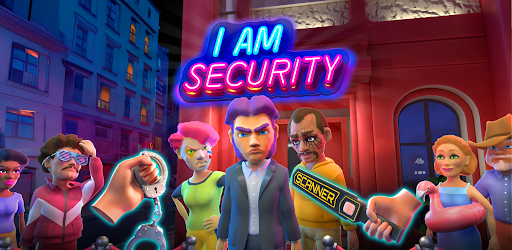
So you've strapped on your virtual duty belt and stepped into the chaotic world of I Am Security. As a nightclub bouncer, your job is simple in concept—decide who gets in and who doesn't—but brutally tough in execution. The line gets longer, the rules get stricter, and the guests get sneakier. Here are 10 pro tips to help you maintain order and master every level.
This is the golden rule. If you're even slightly uncertain about a guest, slam that red stamp. Letting one questionable person slip through can cascade into bigger problems, and the game penalizes mistakes harshly. It's always better to be safe than sorry—your club's safety depends on it .
It's tempting to rush through the line, especially when the queue starts piling up. But upgrading your scanning equipment is a far better investment than speed alone. Tools with higher detection accuracy save you from headaches later. A missed hidden item because you skimped on an upgrade will cost you more time—and levels—than moving a bit slower at the start .
When things get chaotic, having a set checklist keeps you from making careless errors. Stick to a consistent order: observe appearance first, then scan for contraband, check IDs (if applicable), and verify against the current rules. This methodical approach reduces mistakes even when the game throws curveballs at you .
That guest in the designer suit? He could be hiding a weapon. The nervous-looking kid? Might just be anxious to get in. The game deliberately plays tricks with appearances . Don't let a friendly smile or a stylish outfit lower your guard. The rules are the only thing you can trust—not charm, not fashion, not body language alone .

Guests carrying multiple items are walking red flags. A purse might be clean, but the jacket underneath? That's where the contraband is hidden. Never rely on a single scan for any guest. Inspect each item individually, especially for guests wearing heavy coats or carrying large bags .
If a guest clearly breaks the dress code, handle that before even starting the security scan. There's no point wasting time checking someone's bags if their outfit is an automatic fail. Use the tools like clippers or makeup remover to fix appearance issues, get them compliant, and then proceed with the full security check .
The job isn't just about the front door. As you progress, levels introduce internal threats: fights breaking out, fires starting, even thefts in progress . Stay aware of what's happening inside the club, not just at the entrance. Know where the fire extinguisher is, and don't hesitate to call for backup when arguments escalate .
This sounds obvious, but it's the most common rookie mistake. Each level brings a new set of specific rules—different banned items, different dress codes. Read them carefully before you start processing any guests. The rules are your lifeline; ignoring them is a sure path to failure .
While the game relies heavily on visual inspection, subtle behavioral cues matter too. Guests who fidget, avoid eye contact, or seem unusually nervous are often hiding something . In some versions, audio cues like shaky voices or environmental alerts also signal trouble. Pay attention—these small details often separate a good bouncer from a great one .
I Am Security is designed to challenge you. You will let a troublemaker in. You will reject an innocent guest. Don't get frustrated. Instead, treat every rejection or failure as a lesson. Figure out which clue you missed, adjust your strategy for the next attempt, and move on . Each run teaches you something new about the game's patterns and guest behaviors.
The best bouncers aren't the ones who never make mistakes—they're the ones who learn from them, upgrade their tools wisely, and never let their guard down. Stay sharp, stay systematic, and you'll be running that door like a pro in no time.

The Ultimate Guide on How to Use Skype for Calls, Chats, and Staying Connected

Classroom 6x Unblocked Games in Chrome: The Ultimate 2026 Guide

Top 10 Software Engineering Tools in 2026: A Comprehensive Guide

Ratio Calculator: Guide to Apps and Online Tools

Mobile Fortify: The Facial Recognition App Reshaping Immigration Enforcement in America