This article examines the Cameron & Quinn framework, a renowned model for assessing organizational culture. The framework, developed by Robert E. Quinn and Kim S. Cameron, classifies corporate culture into four distinct types, each offering insights into organizational behavior, values, and adaptability. This guide delves into the nuances of these cultural types, providing a comprehensive exploration of how they influence business operations and outcomes.

The Cameron & Quinn framework, also known as the Competing Values Framework (CVF), is a revolutionary tool designed to evaluate and understand organizational culture. Developed by Robert E. Quinn and Kim S. Cameron, this model categorizes organizational culture into four types: Clan, Adhocracy, Market, and Hierarchy. Each type is unique in its emphasis on flexibility, stability, internal focus, and external orientation. By assessing where an organization falls within these categories, businesses can gain valuable insights into their operational ethos and strategic direction.
Understanding the Cameron & Quinn framework is particularly relevant in today’s fast-paced business environment, where adaptability and cultural alignment can be the key to long-term success. This framework not only helps organizations in diagnosing their current cultural state but also provides them with a roadmap for potential changes to align better with market demands. In a world that is constantly evolving, the tools we use to understand and adapt our organizations must be equally sophisticated. The CVF empowers organizations with a structured approach to such cultural evaluations.
Clan culture emphasizes a family-like environment where collaboration, mentorship, and development are prioritized. Organizations with a clan culture are internally focused and flexible, often characterized by high employee engagement and strong company loyalty. The hallmark of a clan culture is the sense of belonging and shared values among employees, fostering an atmosphere where individuals feel valued and encouraged to contribute to the collective goals. This culture thrives on teamwork and communication, creating a supportive environment that facilitates personal and professional growth.
In clan-oriented organizations, the leadership style often leans towards participative or democratic. Leaders act more as facilitators, nurturing their teams rather than commanding them. This not only boosts morale but also enhances overall performance as employees are more committed to organizations that care about their well-being. However, such structures may face challenges in competitiveness and rapid decision-making. The emphasis on consensus and collaboration can sometimes hinder the pace at which decisions are made, resulting in slower response times to market changes or competitive pressures.
Additionally, understanding the nuances of a clan-focused entity helps identify areas for growth while maintaining team cohesion. Organizations can implement robust training programs, mentorship opportunities, and ensure a pipeline for internal promotions, which not only retain talent but also foster a culture of loyalty and commitment. By regularly assessing employee satisfaction and engagement levels, management can ensure that the clan culture remains a positive and productive aspect of the organization.
At the forefront of innovation and adaptation lies the adhocracy culture. Organizations under this category value creativity and flexibility, striving to lead in the marketplace with groundbreaking ideas and solutions. These organizations are typically risk-takers, embracing change and ambiguity to foster innovation. Through a flatter structure, where hierarchies are minimized, team members are empowered to experiment and collaborate freely, resulting in pioneering ideas that can disrupt markets.
Employees in an adhocracy culture often thrive on challenge and variety, driving their motivation through the creative process. Innovation labs, hackathons, and brainstorming sessions are common practices in such environments, encouraging diverse perspectives to converge into significant breakthroughs. Organizations like tech startups or creative agencies exemplify this cultural type, often placing a strong emphasis on strategy that prioritizes agility over rigidity.
However, the potential downside of an adhocracy culture is the lack of emphasis on stability, which can make sustained routines and processes challenging. The fast pace and continuous change might lead to employee burnout if not managed properly. Furthermore, without established processes, there may be confusion regarding roles and responsibilities, leading to inefficiencies. Organizations can counteract these potential drawbacks by fostering a balance between innovation and operational consistency through adaptive leadership and clear project management frameworks, which guide teams while giving them the freedom to innovate.
Organizations with a market culture are driven by achievement and competition. Focused on results, such entities prioritize market penetration, profitability, and growth. Performance metrics are meticulously tracked, with success measured by financial outcomes and market share dominance. Additionally, a performance-oriented environment fosters an atmosphere of accountability, pushing employees to meet or exceed defined targets.
Market culture often leads to a strong emphasis on sales and marketing strategies, where leaders motivate employees to hit ambitious goals. Performance rewards, bonuses, and recognition programs are common motivators in these organizations, providing tangible incentives for employees to excel. However, while this culture is highly effective in achieving economic goals, it may inadvertently overlook employee morale and workplace satisfaction. Employees might feel pressured or disengaged if their contributions are only recognized through the lens of numbers and projected outcomes.
Moreover, market-oriented companies must ensure that their drive for results doesn’t sacrifice quality or ethical standards. To achieve this balance, leadership must establish clear communication channels, ensuring employees understand how their work contributes to broader organizational goals while also feeling valued as individual contributors. Implementing regular feedback sessions, employee engagement surveys, and fostering an inclusive environment can help mitigate the potential downsides of a strictly results-focused approach.
A hierarchy culture exudes an environment centered on structured procedures, control, and efficiency. These organizations operate with clear chains of command and well-defined roles, relying on formal rules to maintain order and consistency. Leaders often provide clear directives, facilitating a reliable environment for employees who prefer structure in their daily operations. Employees in these organizations thrive on stability and predictability, finding comfort in established routines and processes.
While hierarchy cultures are excellent for achieving high stability and predictability, they might lack the flexibility seen in other cultures, potentially stifling innovation. Organizations that heavily rely on hierarchical structures might find it difficult to adapt to changing market conditions or to foster a culture of innovation and creativity among employees. The top-down approach can sometimes lead to a lack of voice among lower-level employees, diminishing engagement and morale.
Organizations can address these challenges by promoting a culture of transparency and inclusiveness, where employees at all levels feel empowered to voice their ideas. Leaders can implement cross-functional teams or encourage employee involvement in decision-making processes, striking a balance between structure and flexibility. Change management strategies that articulate a clear vision for innovation alongside the established procedures can also help hierarchically structured organizations navigate necessary transformations without losing their core strengths.
In the realm of purchasing automobiles, finding a car at an affordable price is often compared to an art form, involving careful research, timing, and market knowledge. To facilitate this process, several online platforms offer comprehensive listings of cars available for sale:
| Platform | Features | Links |
|---|---|---|
| Cars.com | Offers a wide selection of new and used cars with an easy-to-use interface for searches, allowing users to filter by price, make, model, and more. | Cars.com |
| Carmax | Known for providing no-haggle prices, enabling straightforward car buying without the pressure of negotiations. | Carmax |
| Caronsale | Features unique auction-style buying for users to bid and potentially win a car below market value, offering a creative approach to car buying. | Caronsale; Autotrader |
| AutoTrader | Connects buyers and sellers with a vast variety of cars available, including new, used, classics, and even certified pre-owned vehicles. | AutoTrader |
Source: [Cars.com](https://www.cars.com/), [Carmax](https://www.carmax.com/cars), [Caronsale](https://www.caronsale.com/en), [Autotrader](https://www.autotrader.com/)
To buy a car at a reduced price, consider these strategies:
The Cameron & Quinn framework remains a pivotal guide for businesses aiming to understand and refine their corporate culture. By effectively analyzing the strengths and weaknesses of their organizational culture, businesses can make informed decisions aimed at fostering a thriving environment. Whether pursuing innovation like adhocracy or stability akin to hierarchy, recognizing these cultural dimensions allows for informed strategic planning. Embracing the insights provided by the CVF empowers organizations not just to navigate current challenges but to thrive in the face of future dynamics, setting up a firm foundation for sustainable growth.
Disclaimer: The above information comes from online resources, and the data is as of October 2023. For more information, please refer to the official website.
For those looking to delve deeper into understanding organizational culture and its implications on success, the following resources provide valuable insights and further reading:
By exploring these resources, leaders and organizational development professionals can equip themselves with the knowledge and strategies necessary to cultivate a robust organizational culture that resonates with employees and drives business outcomes.
As we continue to navigate an increasingly complex business landscape, understanding the intricacies of organizational culture becomes essential. The Cameron & Quinn framework offers a comprehensive lens through which organizations can evaluate their cultural attributes, facilitating meaningful dialogue among stakeholders. Ultimately, organizations that prioritize culture are likely to enjoy not just operational efficiency but also a more engaged, innovative, and satisfied workforce.
Future trends suggest that organizational culture will only gain importance, as remote work environments and generational shifts in the workforce demand more agile, inclusive, and adaptable cultures. Forward-thinking leaders must stay attuned to these dynamics, leveraging cultural insights to craft organizations that not only meet their current strategic objectives but also position themselves as pioneers for the future.
Explore the Tranquil Bliss of Idyllic Rural Retreats

Ultimate Countdown: The 20 Very Legendary Gaming Consoles Ever!

Understanding Halpin and its Influence

Affordable Full Mouth Dental Implants Near You

Discovering Springdale Estates

Illinois Dentatrust: Comprehensive Overview

Embark on Effortless Adventures: Unveiling the Top in Adventures Made Easy Outdoor Equipment

Unveiling Ossur Valves: Innovation in Prosthetics

Unlock the Full Potential of Your RAM 1500: Master the Art of Efficient Towing!
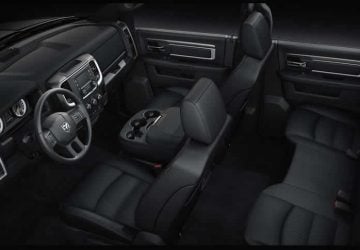

Dodge Ram: Redefining the Future of Full-Size Trucks with Unmatched Power and Innovation
Within the realm of large American pickup trucks, the Dodge Ram has achieved iconic status. The Ram is celebrated for its muscular prowess and dependability, becoming a staple on U.S. highways and earning a devoted following among truck lovers. It's recognized for its durability and capacity to overcome any obstacle, having not just survived but flourished through the years, adapting to changes while remaining faithful to its core principles.

Navigating Car Purchases Online
In the digital age, acquiring vehicles has transitioned predominantly online, making platforms such as Efagby Vzcybagf abe Ffavbef crucial for buyers. With numerous websites catering to different needs, understanding their features and how they facilitate car purchases is essential. This guide unravels the nuances of buying cars online and offers insights into car trading on popular platforms.

Explore the Horizon with the Kona SUV: Hyundai's Trailblazing Crossover Redefines the Road Ahead
The transformation of the automobile industry is prominently marked by a trend towards smaller crossovers, with the Hyundai Kona SUV at the helm. This vehicle adeptly combines the agility of a hatchback with the stature of an SUV, carving out its niche as the perfect companion for city dwellers and adventure-seekers. Exploring the Kona SUV's narrative reveals its global appeal and the elements that establish it as a standout within Hyundai's diverse vehicle roster.

Discover Pickup Truck Specials
This guide delves into the latest pickup truck specials, offering insights into where and how to find the top deals. Pickup trucks are a staple in the automotive industry, known for their durability, strength, and versatility. Whether you're a contractor needing a reliable workhorse or an adventurer seeking a robust vehicle for off-road trips, knowing where to find the top pickup truck specials is crucial.
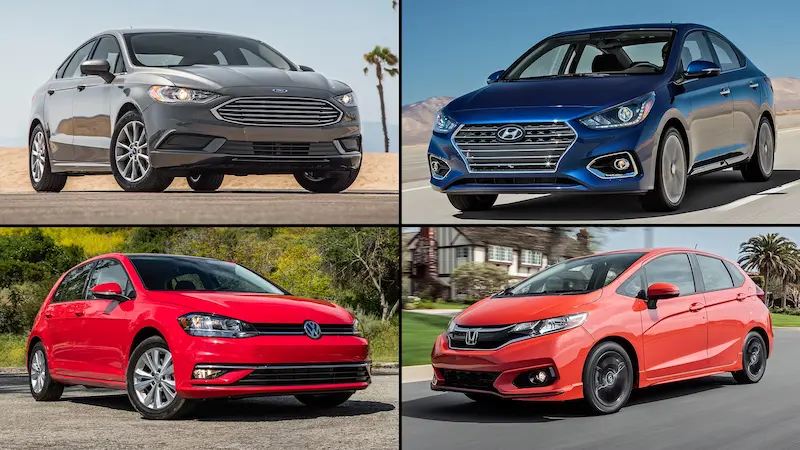
Smart Tips for Seniors to Find the Top Used Car Deals
As a senior looking to purchase a used car, you're in a unique position. With years of life experience under your belt, you have the wisdom to make informed decisions. However, the used car market can be complex and occasionally deceptive, and there are many factors to consider to ensure you get the best deal possible. This guide provides practical advice to help you navigate the used car market confidently and secure a reliable vehicle at a great price.

Maximize Your RAM 1500's Mileage: Expert Tips for Fuel Efficiency!
Maximizing fuel efficiency goes beyond cost savings; it enhances your RAM 1500's performance and reduces its environmental footprint. Through smart practices and a deep understanding of your vehicle's capabilities, you can improve the MPG of its potent engine and sturdy architecture. Here are ways to fine-tune the fuel use in your RAM 1500.